




Summer in the West is legendary, but rising temperatures and dusty backroads can take a toll on even the toughest vehicles. Whether you’re planning to haul a trailer through the mountains or take your Wrangler off the beaten path, ensuring your vehicle is trail-ready is essential. At Bob Ruwart Motors, we want your adventures to be defined by the scenery, not a breakdown. Here is the essential summer maintenance checklist from our expert service center. 1. The Cooling System: Your Engine's Lifeline In high-desert heat, your engine works overtime. If you are commuting between Casper and Cheyenne, a cooling system failure is the last thing you want on a 90-degree day. Check the Coolant: Ensure levels are topped off and the fluid is clean. Inspect Hoses: Look for cracks or soft spots that could lead to high-pressure leaks. 2. Tire Health for Hot Pavement Heat causes tire pressure to fluctuate and accelerates tread wear. Before heading out from Douglas for a long weekend, check your depth and PSI. If you’re pushing a RAM 1500 to its towing limits, proper inflation is vital for safety and fuel economy. Don't forget to check your spare—especially for those trips where cell service is spotty. 3. Precision Jeep Service for Off-Roaders Dust and grit from local trails can clog filters and grind down suspension components. A professional Jeep service appointment includes a thorough inspection of your 4x4 system, ensuring your SUV is ready to handle the terrain from Torrington to the rugged trails further west. 4. A/C System & Battery Check Extreme heat is often harder on a battery than extreme cold. We recommend a battery load test to ensure you aren't stranded. Likewise, we'll verify your A/C is blowing ice-cold—if you’re making the drive up from Denver, you’ll want that climate control humming the moment you cross the state line. Why Choose Bob Ruwart Motors? When comparing car dealerships in Wyoming, you need a team that understands our specific climate. Our factory-trained technicians use genuine Mopar parts to keep your RAM or Jeep within factory specifications. As one of the most trusted dealerships in Wyoming, we take pride in serving our neighbors with transparency. Whether it’s a quick oil change or a comprehensive summer tune-up, we are equipped to get you back on the road fast. Our Community: We are proud to support drivers from across the region, providing expert care to those who rely on their vehicles for both work and play. Don't let the heat catch you off guard. Schedule your summer maintenance at Bob Ruwart Motors today and drive with confidence all season long!
4 Tips to Use When Selling Your Car
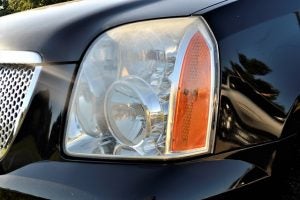
The goal when selling your car is to get the highest amount possible in the shortest amount of time. Keep these tips in mind as you prepare your car for sale. Compile Your Car's History Interested car buyers will want to know the history of your car. Without documents to back up this information, it can be difficult to prove that what you're saying is true. Keeping up with routine maintenance is not as valuable if you do not have the receipts to prove it. It can also be useful to pull a copy of the vehicle history report ahead of time. Compiling all the documents regarding your car's history into a folder can help you sell your car. You will be able to answer any questions quickly, and in most cases, buyers are willing to pay more when they know a car has been properly maintained. Schedule a Professional Detail Aesthetics of a car play a big role in how much a buyer will pay. Cars with foul smells or debris smashed into the upholstery will be difficult to sell. Drivers want to feel like they are buying a new car, even if it is a used car. Scheduling a professional detail can help you clean the hard-to-reach parts of the car. You might choose to deep clean your car yourself. Your detail should include the carpets, windows, center console, and even the trunk. Don't forget to run the car through a car wash and apply a fresh coat of wax to make it shine. The cleaner the car is, the more buyer interest you will have. Get a Vehicle Inspection A lot of people are skeptical when it comes to buying a new car. They worry that the car will break down shortly after they buy it. Alleviate potential buyer's concerns by getting a vehicle inspection ahead of time. That way, you can list out the exact problems with the car. This also allows you to make any minor repairs like brake pads or worn tires that can result in a lower offer price. Make sure you get a vehicle inspection from a trusted mechanic. Telling potential buyers that your friend checked out the vehicle will not get you the trust that you need. It is best to be transparent during the selling process to ensure that everyone knows what they are getting. Take a Great Picture Your car's picture is its first impression. This is the picture that will either encourage buyers to call or to move on to the next available car. While you don't want to falsely portray anything that your car is not, you do want to get a clear picture that shows its value. In many cases, a live video can be useful. This allows you to take the buyer on a walkthrough of the car. By the time they come to view it, they will already have a good idea of what to expect. Selling your car does not have to be overwhelming. Compile your maintenance records, get a thorough cleaning, and schedule an inspection with a mechanic you can trust. Image via pixabay
4 Common Transmission Problems and How to Fix Them
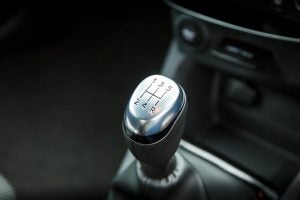
Your car's transmission does more than just change gears. It moderates the power transmitted to the vehicle's wheels, and its smooth operation also ensures good fuel efficiency. This is an important component, and it's crucial to keep it in good repair. Here are a few common problems to look out for. Low Transmission Fluid Consult your owner's manual to determine when to change the transmission fluid. This can be as often as every 30,000 miles or as infrequently as every 100,000 miles. Either way, regular maintenance prevents damage to the transmission and ensures the reliable operation of your car. There are other circumstances in which your transmission fluid may be depleted more quickly — driving at high speeds, driving in stop-and-go traffic, and hauling trailers can burn through fluid rapidly. You can easily top off your transmission fluid at home, but you may need a mechanic if the system needs to be flushed and all its fluid replaced. Mysterious Sounds Problems with your car's transmission can manifest in a variety of ways. Sound is one key indicator. Listen for humming, buzzing, clunking, or whining noises. If your vehicle has a manual transmission, a faulty component is likely to generate a loud mechanical sound when you shift gears. The problem may lie with a computerized component; modern vehicles come with sensors that can send incorrect signals to the transmission, resulting in faulty regulation of speed or shifting. The problem could also be mechanical in nature, as a transmission typically has plenty of springs, gears, and bearings. These problems will require professional maintenance to repair. Burning Smell Take action immediately if you smell something burning from your car. If the problem is traced to the transmission, it's probably the result of overheated transmission fluid. Because the fluid keeps the component's moving parts lubricated and cool, this could be disastrous for your transmission. That's why it's important to take your car to a mechanic right away, as an unlubricated transmission will cause additional problems with the vehicle. This could result in the eventual degradation of the component, along with slipping when trying to change gears. You might even consider installing a transmission cooler to avoid this problem. Unable to Shift Gears Start by checking the level of transmission fluid if you're having trouble changing gears. If this doesn't resolve the problem, you might be looking at a faulty throttle cable. This is a mechanical cable that connects the transmission with the throttle linkage. If this cable is loose, it can reduce the responsiveness in shifting or even prevent you from shifting altogether. Car enthusiasts with a reasonable level of mechanical skill can adjust the cable at home, but most drivers would be better served by enlisting the professional help of a mechanic. A diagnostic test will confirm whether this cable is indeed at fault. As you can see, many transmission problems can be traced back to your transmission fluid. Since this is easy to check, it's a good place to start. But don't be afraid to schedule a service appointment if you have any concerns about the reliability of this important part of your vehicle. Image via Flickr by MotorVerso | Licensed under CC BY 2.0
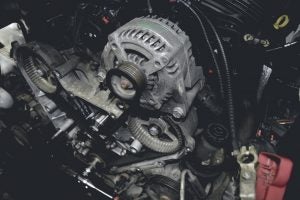
4 Smart Ways to Save Money on Car Repairs
We all try our best to keep our cars in tip-top shape. But when we get a mysterious dent in our vehicle or something starts malfunctioning, it can be hard to get it repaired considering the outrageous prices some car repair services charge. If you need to get something fixed or patched up and want to maximize the amount of cash you save in the process, we've listed four smart ways to spare your wallet as much as you can when repairing your car. Do Your Homework We've all had teachers in school tell us to do our homework before, but that doesn't just apply to academics. It's a principle that applies to all aspects of life, especially big buying decisions, such as car repairs. Before you pull the trigger at just any car repair place, find one that offers the best rates and won't rip you off. Often, these businesses can get rather pricey for no reason. Search the web for car repair services near you and research who offers the lowest price possible to fix your particular problem. Get Familiar With Your Problem Like discovering who charges the least amount of money for repairs, you'll want to familiarize yourself with your car's problem enough so that you know you aren't getting ripped off. Search the web for others who have experienced the same problem you're facing and check to see how much it cost them to get it repaired. That way, you don't get swindled by repairmen looking to make a quick buck off a gullible customer. Fix It Yourself This might seem a little off-putting, especially if you aren't the car mechanic type, but learning to fix your own car can help save you a ton of money. Things such as changing your oil, swapping out old tires, replacing your brakes, and even performing engine checks are all tasks that can be learned by simply going online and reading about each process. This bit of research can save thousands of dollars on your next repair since the only fee you'll likely have to pay is for new car parts and tools. Keep Up With Vehicle Maintenance It's obvious that you need to maintain your vehicle's health as best you can. To prevent further repair charges, be sure to keep an eye on your car and its status. For instance, if the check engine light comes on, it's a good idea to find out what's wrong ASAP. You'll also want to make sure your fluids are up to your car manufacturer's standards, you regularly check your tires, and you wash your vehicle on a consistent basis. Following these steps can help prevent problems from ever happening to your vehicle and lead to extra cash in your wallet. With these tips in mind, you'll undoubtedly save some cash the next time you need a car repair. Be sure to keep our list in mind when a new issue pops up with your vehicle. Image via Flickr by Grizzlybear.se