






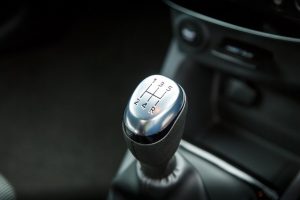
 Your car’s transmission does more than just change gears. It moderates the power transmitted to the vehicle’s wheels, and its smooth operation also ensures good fuel efficiency. This is an important component, and it’s crucial to keep it in good repair. Here are a few common problems to look out for.
Low Transmission Fluid
Consult your owner’s manual to determine when to change the transmission fluid. This can be as often as every 30,000 miles or as infrequently as every 100,000 miles. Either way, regular maintenance prevents damage to the transmission and ensures the reliable operation of your car.
There are other circumstances in which your transmission fluid may be depleted more quickly — driving at high speeds, driving in stop-and-go traffic, and hauling trailers can burn through fluid rapidly. You can easily top off your transmission fluid at home, but you may need a mechanic if the system needs to be flushed and all its fluid replaced.
Mysterious Sounds
Problems with your car’s transmission can manifest in a variety of ways. Sound is one key indicator. Listen for humming, buzzing, clunking, or whining noises. If your vehicle has a manual transmission, a faulty component is likely to generate a loud mechanical sound when you shift gears.
The problem may lie with a computerized component; modern vehicles come with sensors that can send incorrect signals to the transmission, resulting in faulty regulation of speed or shifting. The problem could also be mechanical in nature, as a transmission typically has plenty of springs, gears, and bearings. These problems will require professional maintenance to repair.
Burning Smell
Take action immediately if you smell something burning from your car. If the problem is traced to the transmission, it’s probably the result of overheated transmission fluid. Because the fluid keeps the component’s moving parts lubricated and cool, this could be disastrous for your transmission.
That’s why it’s important to take your car to a mechanic right away, as an unlubricated transmission will cause additional problems with the vehicle. This could result in the eventual degradation of the component, along with slipping when trying to change gears. You might even consider installing a transmission cooler to avoid this problem.
Unable to Shift Gears
Start by checking the level of transmission fluid if you’re having trouble changing gears. If this doesn’t resolve the problem, you might be looking at a faulty throttle cable. This is a mechanical cable that connects the transmission with the throttle linkage. If this cable is loose, it can reduce the responsiveness in shifting or even prevent you from shifting altogether.
Car enthusiasts with a reasonable level of mechanical skill can adjust the cable at home, but most drivers would be better served by enlisting the professional help of a mechanic. A diagnostic test will confirm whether this cable is indeed at fault.
As you can see, many transmission problems can be traced back to your transmission fluid. Since this is easy to check, it’s a good place to start. But don’t be afraid to schedule a service appointment if you have any concerns about the reliability of this important part of your vehicle.
Image via Flickr by MotorVerso | Licensed under CC BY 2.0
Connect with us


Recent Blog Entries
- The 3 Best SUVs for Wyoming Families: Comparing the Equinox, Traverse, and Suburban
- The Checklist: Summer Maintenance for Your RAM Truck or Jeep SUV
- Work-Ready & Wallet-Friendly: Used Truck Financing Made Easy at Bob Ruwart
- The Ultimate Ram Trim Guide: Laramie vs. Big Horn – What Every Wyoming Buyer Needs to Know
- Our No-Pressure Buying Promise in Wheatland: What You Can Expect When You Visit